Trick Truths Every Attorney Need To Understand About Elder Misuse Regulations
Elder misuse is an intricate issue that requires legal interest. Attorneys should realize the subtleties of pertinent regulation, including federal requireds and state-specific statutes. Understanding the types of misuse, reporting responsibilities, and readily available legal solutions is vital for efficient advocacy. As the aging populace expands, so also does the requirement for attorneys to be equipped with the best understanding. The ramifications of this understanding are profound, causing vital questions regarding protection and justice.
Recognizing Senior Citizen Misuse: Meanings and Types
Senior abuse incorporates a variety of hazardous habits routed towards older adults, commonly resulting in physical, emotional, or financial damage (Elder Abuse). This abuse can materialize in a number of forms, consisting of physical abuse, which entails causing physical injury, and emotional misuse, characterized by emotional torment and control. Overlook, one more considerable kind, takes place when caregivers fall short to offer necessary treatment, bring about damage in the older's health or health. Financial exploitation includes the unapproved use an older's funds or properties, often committed by those in relied on placements. Additionally, sex-related abuse, although less frequently reported, represents a serious infraction of a senior's self-respect. Understanding these kinds and definitions is critical for acknowledging the indications of older misuse and making sure the safety and civil liberties of older adults. Recognition and education regarding these numerous kinds can equip areas to step in and support those in prone situations successfully
Lawful Structure: Federal and State Laws
While different forms of senior abuse are recognized, the lawful framework dealing with these issues is vital for shielding older grownups. At the federal degree, legislations such as the Senior citizen Justice Act establish arrangements to avoid and react to senior disregard, abuse, and exploitation. This act gives financing for research study, training, and resources focused on improving the security of vulnerable seniors.
State regulations also play a vital role, as each state has its very own statutes specifying elder misuse and laying out enforcement devices. These regulations frequently incorporate a series of abuses, consisting of physical, emotional, monetary, and neglect. In addition, some states have applied particular senior abuse devices within police to focus on these situations.
Together, federal and state regulations create a complete framework designed to combat senior misuse, making certain that older grownups receive the defense and assistance they need in their communities.
Obligatory Coverage Needs for Professionals
Compulsory coverage needs for experts outline the responsibilities to report believed older misuse to the appropriate authorities. Failing to conform with these commitments can cause considerable lawful consequences, consisting of penalties and potential civil responsibility. Understanding these demands is crucial for experts dealing with at risk populaces to assure their safety and security.
Reporting Responsibilities Overview
Exactly how can professionals assure the safety of at risk grownups? One substantial method is via understanding and sticking to obligatory reporting requirements. Many territories impose lawful commitments on particular professionals-- such as healthcare workers, social workers, and legislation enforcement authorities-- to report suspected elder abuse. These laws aim to safeguard susceptible grownups by ensuring that any indicators of misuse or overlook are immediately checked out. Experts must understand the details indicators of elder abuse, consisting of physical, psychological, and economic exploitation. Furthermore, reporting need to be done in a timely fashion to assist in quick intervention. By meeting these reporting commitments, experts play a crucial duty in guarding the health of senior individuals and advertising a culture of liability and caution versus misuse.
Legal Repercussions for Non-Reporting
Failure to follow compulsory reporting requirements can cause substantial legal effects for specialists charged with safeguarding at risk adults. Specialists such as doctor, social employees, and law enforcement authorities are legally bound to report presumed cases of elder misuse. Failure to do so might result in civil responsibilities, including penalties or claims. In some jurisdictions, non-reporting can bring about criminal fees, possibly resulting in offense or felony convictions. Furthermore, professionals might face corrective actions from licensing boards, including suspension or retraction of their licenses. These legal repercussions underscore the value of sticking to reporting laws, which are developed to secure at risk populaces and guarantee that situations of older abuse are resolved immediately and suitably.
Symptoms and signs of Senior Abuse
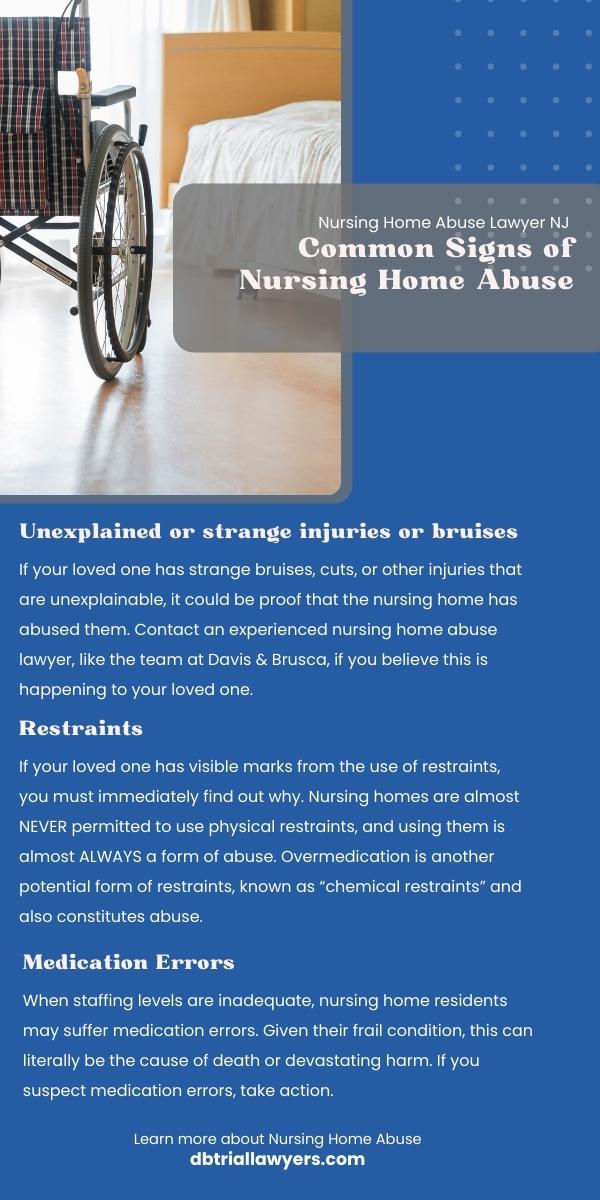
Recognizing the indications and signs of elder abuse is essential for safeguarding susceptible individuals. Elder abuse can show up in various types, consisting of physical, psychological, financial, and disregard. Physical signs may consist of unexplained bruises, fractures, or indications of restriction. Emotional abuse often offers as withdrawal, terror, or sudden modifications in actions. Victims may display indicators of anxiety, confusion, or anxiety.
Financial abuse may be suggested by sudden modifications in monetary standing or missing out on prized possessions, while forget can be identified with bad hygiene, lack of nutrition, or dangerous living conditions. It is very important to note that these indicators can overlap, and one sign alone may not symbolize abuse. Observing several signs in conjunction can offer a clearer picture. Caretakers and household members need to stay alert and positive in determining these indicators to ensure the wellness of older adults and promote prompt treatment when needed.
Legal Remedies Readily Available for Sufferers
Sufferers of elder misuse have numerous legal remedies offered to them, providing avenues for justice and security. These remedies consist of civil claims for problems, criminal prosecution alternatives versus perpetrators, and the opportunity of acquiring protective orders and restrictions. Each option offers to deal with the damage experienced by victims and to help protect against additional abuse.
Civil Claims for Problems
Senior misuse victims frequently seek justice through civil legal actions, which supply an essential lawful solution for those damaged by neglect or deliberate misconduct. These claims permit victims or their households to sue for physical, psychological, or financial injury endured as a result of the activities of caregivers, taking care of homes, or various other responsible parties. Common cases in these instances consist of oversight, willful infliction of emotional distress, and violation of fiduciary task. Sufferers can look for offsetting problems to cover clinical expenditures, pain and suffering, and compensatory damages aimed at deterring future transgression. Civil claims not just supply monetary relief yet likewise offer to hold abusers answerable, therefore adding to more comprehensive social changes in the therapy of susceptible elder populaces.
Offender Prosecution Options
A substantial number of elder misuse cases may additionally result in criminal prosecution, offering an additional opportunity for justice past civil treatments. Prosecutors can go after charges for different offenses, including scams, overlook, or assault, relying on the specific conditions of the abuse. Offender prosecution offers not just to penalize wrongdoers but likewise to hinder further misuse and protect prone people. The lawful requirements for criminal cases vary from civil instances, usually needing a higher problem of evidence, generally "beyond a reasonable uncertainty." Targets or their advocates may work together with police to report cases, making certain that the lawful system holds perpetrators answerable. In general, criminal prosecution is a crucial device in the battle versus senior abuse, strengthening social norms against such crimes.
Protective Orders and Restrictions
When individuals deal with hazards or injury because of senior misuse, safety orders and restraints become crucial legal solutions to safeguard their safety and well-being. Safety orders, usually released by courts, serve to legally prohibit abusers from speaking to or coming close to targets, thereby giving instant relief. These orders can vary in period and might include certain stipulations customized to the target's needs. Restraints, on the other hand, involve physical steps taken in treatment facilities or at home to prevent more damage, though they need to abide by legal standards to assure they do not infringe on the senior's rights. Overall, these legal mechanisms aim to encourage sufferers, supplying them a structured strategy to look for safety and security and defense from recurring abuse.
The Role of Guardianship in Safeguarding Seniors
Guardianship plays an important duty in protecting the health of senior citizens, specifically when they are unable to make enlightened decisions about their care and funds. This lawful plan designates a liable individual or entity to oversee the personal and economic events of an incapacitated elderly. Guardianship is particularly crucial in situations where seniors are vulnerable to misuse, exploitation, or overlook, as it offers a safety structure guaranteeing their needs and civil liberties are focused on.
The obligations of a guardian include making healthcare decisions, taking care of residential property, and guaranteeing that the elderly's living conditions are supportive and secure. In addition, guardians are required to stick to lawful criteria and record routinely to check my reference the court, promoting responsibility and transparency. By assisting in oversight, guardianship serves as a vital system to secure senior citizens, cultivating their dignity and boosting their lifestyle in potentially hazardous scenarios.
Resources for Legal Professionals and Campaigning For Groups
Accessibility to substantial resources is necessary for lawyers and campaigning for groups working to combat elder abuse and secure susceptible elders. Various companies offer important information, including the National Fixate Senior Misuse, which provides study, training, and standards on older misuse avoidance. Attorneys can profit from state-level agencies that use particular statutes and regulations pertaining to older protection.
Furthermore, many advocacy teams, such as AARP and the Elder Justice Union, give sources, legal devices, and networking opportunities. On the internet systems, like the Legal Solutions Company, grant accessibility to lawful help sources for low-income senior citizens.
Proceeding education and learning is necessary; because of this, webinars and workshops organized by lawful associations can enhance understanding and abilities. Cooperation with medical care professionals and social workers is likewise crucial to develop a multidisciplinary strategy to addressing elder abuse. Making use of these sources allows legal specialists and advocacy teams to efficiently support for the rights and safety and security of the elderly populace.
Frequently Asked Concerns
Just How Can Legal Representatives Remain Updated on Elder Abuse Regulations Adjustments?
Lawyers can stay updated on older misuse legislation modifications by registering for lawful newsletters, participating in appropriate workshops, getting involved in specialist organizations, and frequently assessing state and federal lawful sources and updates essential to older regulation.
What Are Usual Defenses Versus Senior Abuse Claims?
Usual defenses against senior abuse claims consist of showing absence of intent, proving consensual actions, presenting evidence of psychological incapacity in the accuser, and showing adherence to caregiving standards. Elder Abuse. Each situation requires mindful evaluation of situations
Are There Details Training Programs for Legal Representatives on Elder Abuse?
Yes, various companies offer particular training programs for attorneys concentrated on elder abuse. These programs intend to enhance understanding of legal frameworks, situation administration, and advocacy methods, outfitting attorneys to successfully stand for at risk populations.
How Does Senior Abuse Impact Estate Planning?
Senior abuse considerably complicates estate planning by introducing problems of ability, authorization, and prospective exploitation. Attorneys need to browse these complexities to guarantee clients' desires are respected while securing prone individuals from adjustment or monetary harm.
What Duty Do Household Members Play in Elder Misuse Situations?
Member of the family typically offer double roles in senior misuse cases, acting as both caretakers and possible criminals. Their participation can complicate investigations, as loyalty and psychological connections might impede reporting or resolving violent habits efficiently.
This abuse can manifest in several kinds, consisting of physical abuse, which includes bring upon physical injury, and psychological misuse, identified by mental torment and control. At the federal level, legislations such as the Senior Justice Full Article Act establish stipulations to react and stop to older overlook, misuse, and exploitation. Numerous territories enforce lawful obligations on certain professionals-- such as health care workers, social employees, and legislation enforcement authorities-- to report suspected elder abuse. Access to sites extensive sources is necessary for legal experts and advocacy teams working to fight elder abuse and protect vulnerable seniors. Various companies provide crucial details, consisting of the National Facility on Elder Abuse, which offers research, training, and standards on older misuse avoidance.